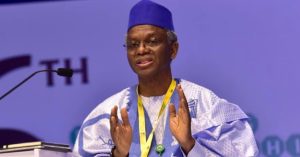

The presidential spokesman, Mr. Sunday Dare, said APC not alone on 2027 ballot, dismissing assertions that the ruling All Progressives Congress intends to be the only political party contesting the 2027 general elections in Nigeria.
The comment that APC not alone on 2027 ballot was made in response to rising speculation among some opposition figures that moves in party dynamics, legal disputes, and internal conflicts could lead to a political environment where the ruling party would face little or no competition in the 2027 polls.
Nigeria’s 2027 elections are scheduled to be held on January 16, 2027, for the presidency, National Assembly, governorships, and state assemblies.
Registered political parties are expected to take part under the country’s constitutional and statutory electoral framework.
In remarks addressing media reports and public concerns, Mr. Dare, the Special Adviser to President Bola Tinubu on Media and Communication, reiterated that the APC “has no intention of being the lone party on the ballot.”
He stated that the party respects Nigeria’s multiparty system and that its political operations do not include plans to exclude or automatically disqualify other parties from participating.
To reinforce the position that APC not alone on 2027 ballot, Dare explained that the ruling party is focused on governance while also preparing for a competitive environment, emphasising that institutional processes and legal frameworks govern party registration and electoral participation in Nigeria.
According to the aide, opposition parties remain free to engage with regulatory and judicial processes as provided by law, and that the APC has no legal authority to impede their participation.
The assertion that APC not alone on 2027 ballot directly addresses criticisms from some opposition quarters that recent political tensions and internal disputes within parties like the African Democratic Congress (ADC) could weaken their presence at the polls.
Critics from ADC and other platforms have suggested that institutional decisions including contestation around recognition of party leadership, effectively diminish the competitiveness of Nigeria’s political landscape.
Channels Television reporting separately quoted Mr. Dare emphasising that claims the APC is shrinking democratic space are unfounded, noting that opposition parties have freedom to protest and engage with Nigeria’s Independent National Electoral Commission (INEC) without interference.
Nigeria’s democratic process is structured to allow a range of political parties to vie for votes, subject to compliance with guidelines prescribed by the constitution and the electoral law.
The role of INEC is to register parties that meet statutory requirements, supervise primaries and candidate nomination processes, and oversee the general conduct of elections.
Disputes over internal party leadership or recognition as seen in controversy involving the ADC, are determined through court orders and regulatory decisions that apply uniformly to all parties, without giving any single party exclusionary advantages.
By affirming that APC not alone on 2027 ballot, the presidential aide’s statement seeks to reassure Nigerians that the election will feature multiple political platforms competing in accordance with democratic norms.
Analysts say such public clarification can help temper rhetoric about reduced political competition and reinforce confidence in electoral inclusivity.
Observers also note that open participation by opposition parties can influence voter engagement, shape political narratives, and contribute to perceptions of credibility in the electoral process.