
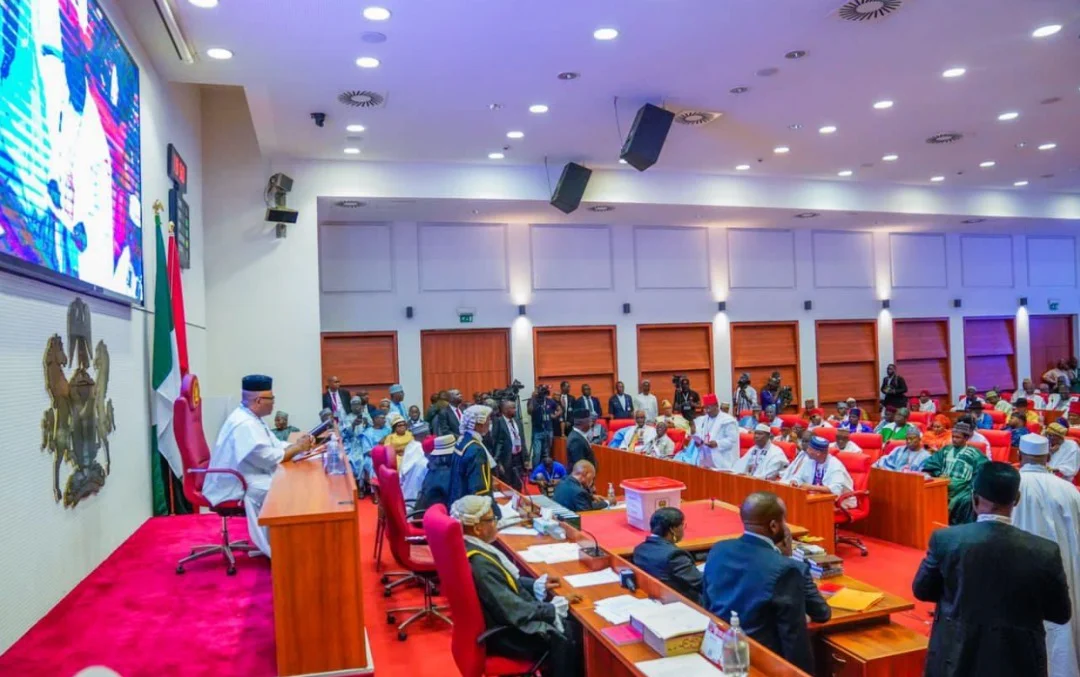
The food security bill is advancing in the National Assembly as lawmakers move to strengthen Nigeria’s food systems through proposed legislation aimed at establishing a national food reserve framework to improve availability and stability.
Food security has remained a critical national issue in Nigeria, driven by rising population demand, climate-related disruptions, and supply chain challenges affecting agricultural output.
In recent years, government policy has focused on boosting domestic food production, strengthening value chains, and reducing reliance on imports. Legislative intervention has also been identified as essential in providing a structured framework for long-term food sustainability.
The proposed legislation forms part of broader efforts to address food shortages, stabilise prices, and enhance agricultural resilience across the country.
The food security bill currently under consideration in the National Assembly seeks to establish a National Food Reserve Agency to coordinate storage, preservation, and distribution of strategic food supplies.
Lawmakers noted that the agency would serve as a central mechanism for managing surplus production during harvest periods and ensuring availability during shortages or emergencies. The bill is part of a broader set of legislative measures targeting agricultural development, including proposals to strengthen cassava production and rice value chains.
According to parliamentary discussions, the initiative aims to improve national food storage capacity, reduce post-harvest losses, and stabilise market supply across regions. Lawmakers emphasised that improved food reserve systems would enhance Nigeria’s ability to respond to food crises, support vulnerable populations, and maintain price stability in key commodities.
The food security bill is also aligned with broader federal efforts to integrate food and nutrition policies into national development planning, ensuring that agricultural productivity translates into improved access to food nationwide.
The food security bill is expected to have significant implications for Nigeria’s agricultural sector and overall economic stability. If enacted, the legislation could strengthen food supply chains, reduce volatility in food prices, and support farmers through improved storage and distribution systems.
It may also enhance national preparedness for emergencies, including climate-related disruptions and supply shortages, by ensuring the availability of strategic reserves. In addition, improved food security frameworks are closely linked to public health outcomes, as access to consistent and nutritious food remains a key determinant of national well-being.