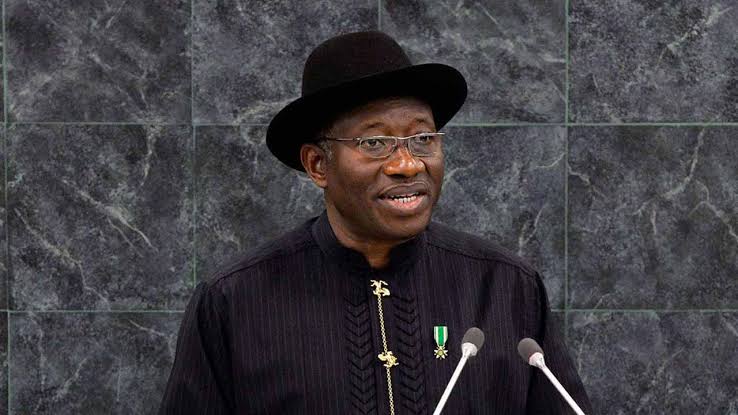
Former President Goodluck Jonathan has called for an electoral litigation review, urging the National Assembly to reassess Nigeria’s legal framework governing election disputes to strengthen democratic processes and reduce prolonged legal battles after elections.
Nigeria’s electoral system has faced persistent challenges related to post-election litigation, with disputes often extending for months or years after results are declared.
These cases frequently determine final outcomes, raising concerns about the efficiency and credibility of the electoral process.
The call for an electoral litigation review comes amid ongoing discussions about reforms aimed at improving election transparency, reducing legal uncertainties, and ensuring timely resolution of disputes.
Legal experts and stakeholders have consistently advocated for adjustments to timelines and procedures to prevent prolonged court cases that may undermine governance stability.
Speaking on the issue, Jonathan emphasised the need for an electoral litigation review to address gaps in the current system.
He noted that election-related cases should be resolved more efficiently to reflect the will of voters without extended delays.
He highlighted concerns over the length of time it takes to conclude electoral disputes, stating that such delays can create uncertainty in governance and affect public confidence in democratic institutions.
Jonathan called on lawmakers to examine existing laws and introduce reforms that would streamline litigation processes, reduce delays, and improve judicial outcomes in election-related cases.
The proposal for an electoral litigation review places responsibility on the National Assembly to evaluate existing electoral laws and judicial procedures.
Nigeria’s current legal framework allows for election petitions to progress through multiple levels of the judiciary, including tribunals, appellate courts, and the Supreme Court.
While this structure ensures due process, it can also extend the duration of disputes.
Jonathan’s recommendation aligns with broader calls for reform aimed at balancing fairness, speed, and finality in electoral adjudication.
The push for an electoral litigation review has significant implications for governance and democratic stability.
Efficient resolution of electoral disputes is essential for ensuring that elected officials can govern without prolonged legal uncertainty. It also helps reinforce public trust in electoral institutions and judicial processes.
Reforms in this area could contribute to reducing post-election tensions and improving the overall credibility of Nigeria’s electoral system.
The call for an electoral litigation review adds to ongoing national conversations about electoral reforms, including the use of technology, voter registration processes, and election management systems.
Stakeholders have emphasised the importance of continuous improvement in electoral laws to reflect emerging challenges and strengthen democratic institutions.