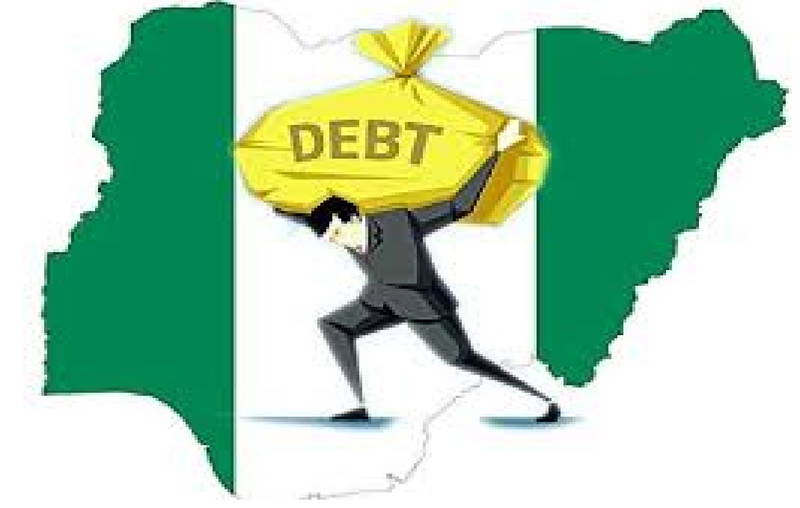
Nigeria’s debt to hit N155trn after the Senate on Tuesday approved a Federal Government request to borrow an additional $6 billion in external financing.
A move that will add roughly N8.4 trillion to the nation’s total public debt stock as it continues to rely on external borrowing for budgetary and development needs.
Nigeria’s total public debt has been rising steadily, reflecting persistent fiscal deficits and the need to finance both recurrent and capital expenditures.
Prior to the fresh loan approval, the country’s debt stock stood at about N146.69 trillion as of the end of 2025.
With the addition of the newly approved $6 billion loan, Nigeria’s debt to hit N155trn, marking a continued upward trajectory in the nation’s overall indebtedness.
The Senate’s approval of the loan request followed the presentation of a report by the Chairman of the Senate Committee on Local and Foreign Debts, Senator Aliyu Wamakko, who outlined the terms and objectives of the borrowings.
In two letters addressed to the Senate President, Godswill Akpabio, President Bola Tinubu sought approval for a structured total return swap (TRS) external financing programme of up to $5 billion with First Abu Dhabi Bank of the United Arab Emirates, and a $1 billion loan facility backed by UK Export Finance arranged by Citibank, London.
The approval came after the Senate considered the report by the Committee on Local and Foreign Debts and voted in favour of the proposals within hours of the letters being read during plenary.
According to the Federal Government’s submission, the proceeds are intended to support budget implementation, fund priority infrastructure projects, refinance existing expensive debt, and address urgent fiscal obligations when necessary.
With the fresh external borrowing approved, Nigeria’s debt to hit N155trn, a level that has raised concerns among economists and analysts about the country’s debt service obligations and overall sustainability.
Experts have warned that heavy reliance on external financing can expose the economy to exchange rate and foreign exchange risks, particularly given the volatility of the naira.
The new borrowing will also increase the debt‑to‑GDP ratio and could exert additional pressure on the federal government’s debt service‑to‑revenue ratio, which has been estimated at approximately 60 per cent.
Economists note that servicing external debt can become more expensive if the naira weakens, as interest and principal repayments on foreign loans must be met in dollars.
This exposes the government’s fiscal framework to currency volatility and increases the burden of debt servicing relative to national revenue.
The Senate’s decision to approve the fresh loan request has drawn reactions from different quarters.
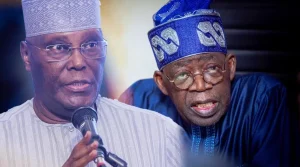
Former Vice President Atiku Abubakar criticised the rapid approval process, describing it as an erosion of legislative oversight and urging greater scrutiny of borrowing decisions.
He stressed that borrowing itself is not inherently problematic, but reckless or unexamined approvals may undermine fiscal discipline.
Atiku emphasised the importance of thorough debate and accountability in the approval of major financial decisions given their long‑term implications for Nigeria’s economy.
Supporters of the loan approval argue that external financing is necessary to bridge revenue shortfalls and support key priority projects, including infrastructure development and debt restructuring.
The staged or tranche structure of the TRS programme is intended to moderate immediate impacts on debt servicing.
However, the broader debate on debt sustainability persists, with analysts recommending enhanced revenue mobilisation and strengthened fiscal frameworks to ensure Nigeria can meet its obligations without compromising core public services.