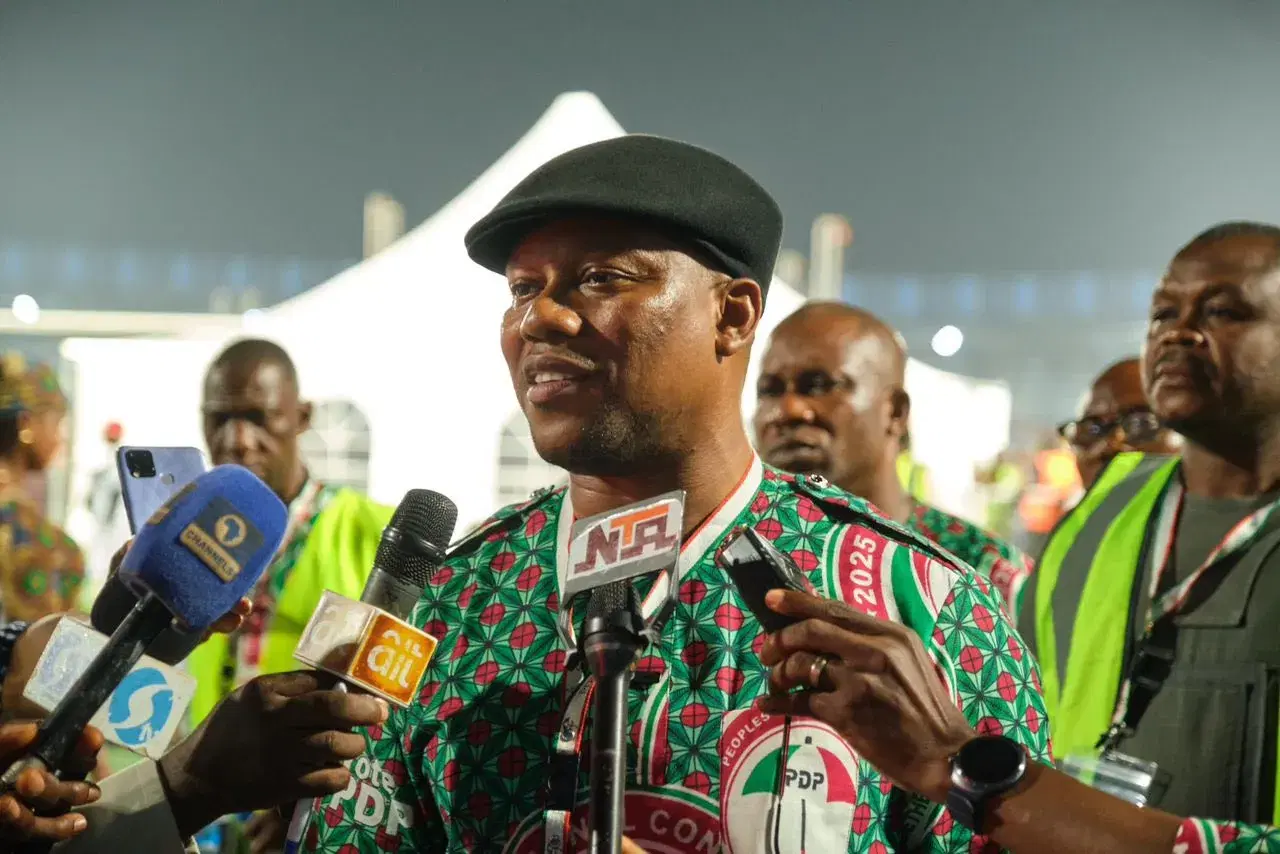
The Peoples Democratic Party (PDP) has responded to criticism from the All Progressives Congress (APC) over its internal crisis, describing the remarks as “unfortunate” and dismissing claims about the party’s relevance.
The reaction follows a statement by APC National Publicity Secretary, Felix Morka, who said the PDP could no longer function as a credible political party due to internal dysfunction.
In a statement issued on Monday, PDP National Publicity Secretary, Ini Ememobong, rejected the claims and maintained that the opposition party remains a viable platform despite recent developments.
The exchange comes amid ongoing internal disputes within the PDP, including leadership disagreements and defections by some members to other political parties.
The APC has in recent weeks criticised the PDP’s internal situation, describing it as evidence of declining political relevance.
Nigeria operates a multi-party system, with the PDP historically serving as a major opposition platform since losing federal power in 2015.
Internal party disputes and political realignments are common features of the country’s political landscape, particularly ahead of election cycles.
Felix Morka had earlier stated: “The PDP is no longer able to call itself a political party.
The PDP is incapable, by its own internal dysfunction, of offering its members any sensible, credible, smart, actionable platform to pursue their political aspirations.”
Responding, Ini Ememobong described the statement as “most unfortunate,” adding that it reflected what he called “delusional propaganda.”
The PDP further stated: “We have read a statement credited to the National Publicity Secretary of the All Progressives Congress, Felix Morka, claiming that the Peoples Democratic Party is no longer a political party… This statement is most unfortunate.”
The party also argued that despite reported defections, public dissatisfaction with the APC government remains significant.
The exchange highlights ongoing tensions between Nigeria’s two major political parties.
Public disagreements between party spokespersons reflect broader competition over political positioning and public perception ahead of future elections.
Internal disputes within political parties, as well as public criticism from rival parties, may influence party cohesion, voter confidence, and political alignments at both state and national levels.