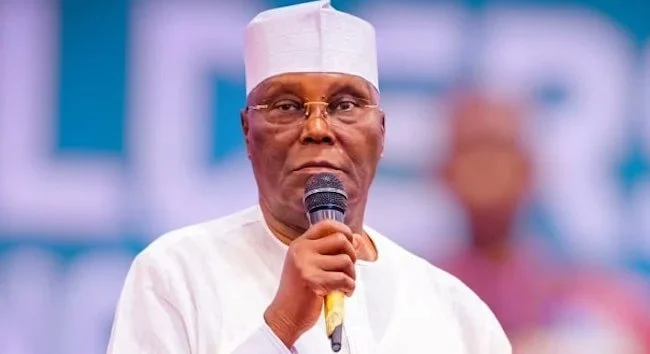
ADC suspension controversy has emerged in Adamawa State as a faction of the African Democratic Congress announced the suspension of Atiku Abubakar and Babachir Lawal over alleged misconduct and internal party disputes.
The development reflects ongoing internal divisions within the African Democratic Congress (ADC), particularly in Adamawa State, where leadership disputes and factional alignments have persisted.
The party has experienced a series of internal challenges in recent months, including disagreements over leadership structure, congress arrangements, and alignment ahead of the 2027 general elections.
These disputes have contributed to the emergence of parallel leadership claims at both state and national levels, raising concerns about cohesion within the party.
The suspension was announced by a factional chairman of the party in Adamawa, Raji Zumo, during a press briefing in Yola.
According to him, the decision was based on allegations of gross indiscipline and actions considered detrimental to the party’s integrity. He stated that the suspension also affected members of a factional executive council led by Sadiq Ibrahim.
Zumo said:
“ADC is not a personal property, and we will not allow any individual or group, no matter how highly placed, to hijack the party or turn it into a personal estate.”
He further alleged that the affected individuals were involved in actions such as attempting to impose candidates and undermining party structures ahead of future elections.
The faction maintained that the move was part of efforts to enforce discipline and restore order within the party.
However, the legitimacy of the suspension has been challenged by other party stakeholders. Some officials have rejected the action, describing it as unauthorised and questioning the standing of the factional leadership.
Babachir Lawal dismissed the suspension, describing it as invalid and urging party members to disregard it, while other officials also disputed the authority of those who announced the sanctions.
The ADC suspension controversy highlights deepening internal divisions within the party, particularly in Adamawa State.
Such disputes may affect party cohesion, organisational stability, and its ability to present a unified front ahead of future elections.
The situation also underscores broader challenges within Nigeria’s political parties, where factional conflicts and leadership disputes often influence party structure and electoral preparedness.