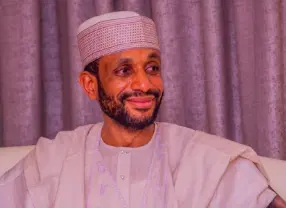
Kano Assembly approval process is now expected to commence after Governor Abba Kabir Yusuf transmitted the name of Alhaji Murtala Sule Garo to the Kano State House of Assembly for screening and confirmation as Deputy Governor of the state.
The nomination follows the emergence of a vacancy in the office of Deputy Governor after the voluntary resignation of former Deputy Governor, Aminu Abdussalam Gwarzo, on March 27, 2026. The position is constitutionally required to be filled through nomination by the governor and subsequent approval by the state legislature in line with Nigeria’s constitutional provisions.
The Kano State Executive Council operates as the highest decision-making body in the state, with the deputy governor serving as a key member responsible for assisting in governance coordination and policy implementation.
Governor Yusuf’s nomination of Garo was formally conveyed to the Kano State House of Assembly through an official communication issued by his Chief Press Secretary, Mustapha Muhammad. The governor urged lawmakers to give the nomination expedited consideration and approval. The statement indicated that the nomination followed consultations with key political stakeholders in the state, aimed at ensuring continuity in governance and administrative stability.
Garo, who has held multiple political and administrative positions in Kano State over the past two decades, is expected to undergo legislative screening before any confirmation can be made. His previous roles include service as a local government chairman, commissioner, and political party administrator.
Reports indicate that the nomination is being processed under constitutional provisions that allow a governor to fill a deputy governorship vacancy, subject to legislative approval. The Kano State House of Assembly is expected to deliberate on the nomination in accordance with its constitutional responsibilities, which include screening and confirming executive appointments forwarded by the governor.
The Kano Assembly approval process is significant for the stability of the state’s executive arm, as the deputy governor plays a key role in governance coordination, policy execution, and administrative oversight.
A successful confirmation would restore full leadership structure within the state executive council, ensuring continuity in governance functions and strengthening coordination across ministries and agencies. The development also highlights the importance of legislative-executive collaboration in maintaining constitutional governance processes at the state level.